


Hello everyone 👋 I’m Kate Syuma, and welcome to Growthmates.news — the newsletter where we explore growth stories to inspire your professional and personal growth. Join the community of 7,000+ Product, Design, and Growth people from companies like Amplitude, Intercom, Miro, Atlassian, Grammarly, Framer, and more.
Start with a reality check: everyone’s shipping AI, but few are getting adoption right.
The AI boom of 2024–2025 led to an explosion of new features — Notion AI, Miro AI, Airtable AI, Canva AI.
Yet, it took 1+ year for these products to move real metrics and demonstrate real usage of AI.
The problem? Teams optimize for visibility — not for behavior change.
AI success doesn’t come from more launches — it comes from behavioral integration and adoption.
You can’t market your way into adoption if your product doesn’t deliver continuous value.
And before we dive in, I want to introduce you to tools that I love and use actively in my work to gain constant inspiration 🚀
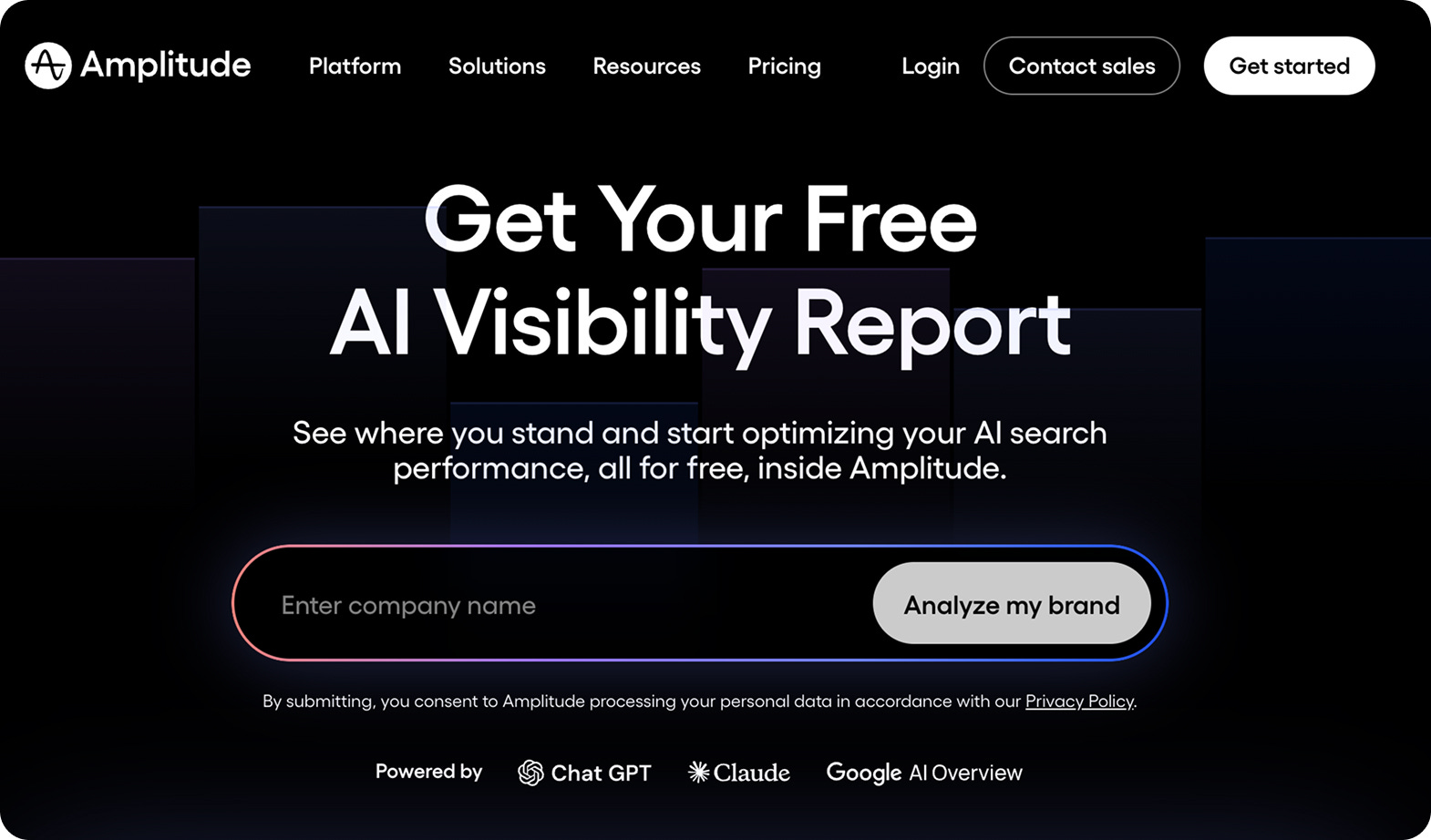
This post is brought to you by Amplitude — meet AI Visibility
AI search is the new front door to your product — your customers are asking ChatGPT, Claude, and Google AI Summary before they click anything. Amplitude AI Visibility shows how AI talks about your brand, where you rank vs. competitors, and which sources influence recommendations — so you can take action and win.
Best way to support Growthmates? Explore more fantastic tools 👇
Framer — where I design and publish stunning websites.
Mobbin — how I get deep product inspiration.
🆕 Obi by Cor — AI-powered onboarding voice assistant, I truly recommend.
Now, let’s dive into today’s story 👇
Why AI Adoption is the #1 problem to solve.
We all love shiny launches — but in AI, launch is just the starting line. The teams that win aren’t the ones releasing the most features; they’re the ones changing how people behave. Because AI only matters when users choose it over their current habits.
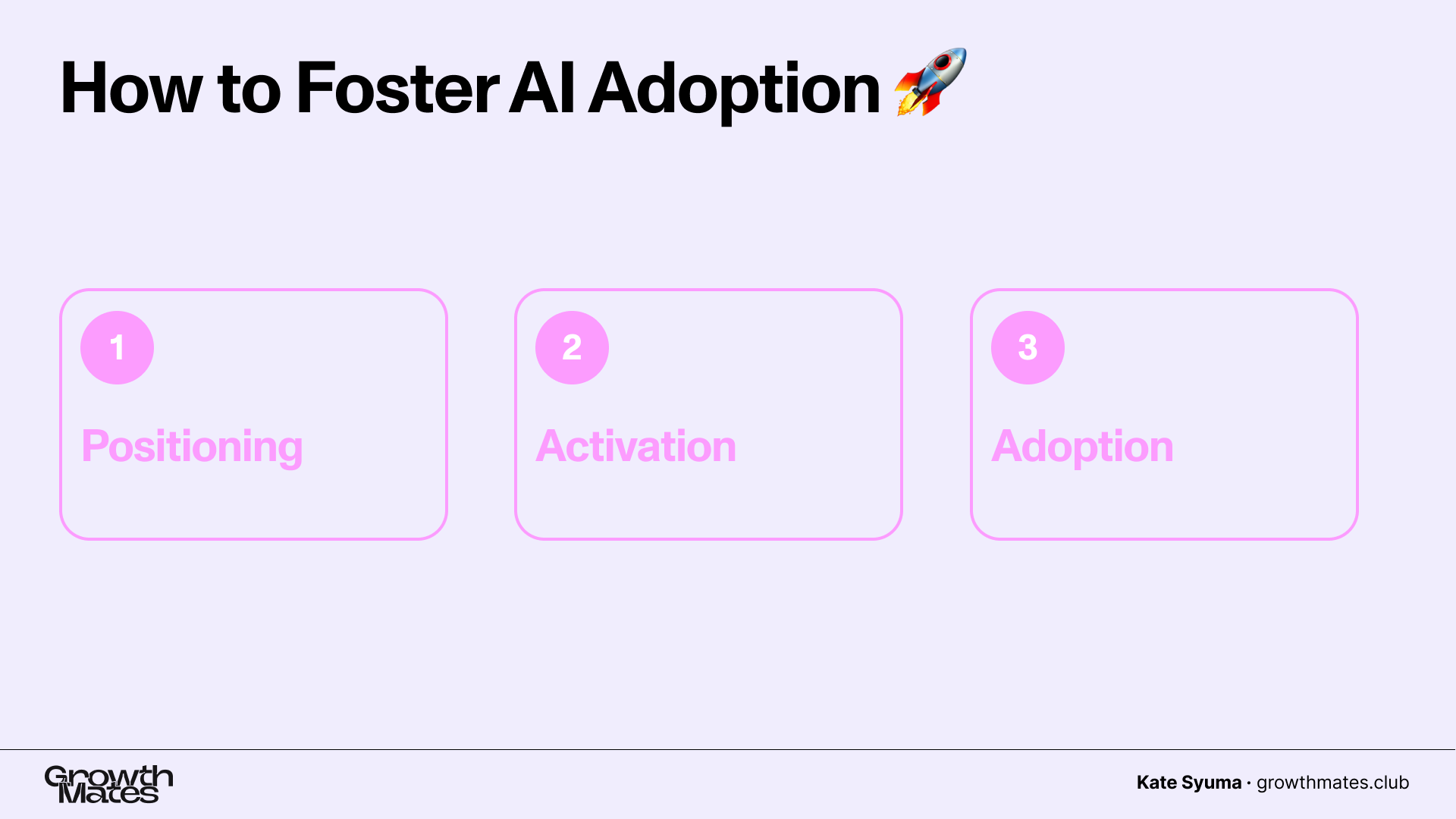
That’s why adoption has become the hardest and most important product challenge of 2025. Every successful AI workflow follows the same journey: Positioning → Activation → Adoption.
At the first touchpoint, users need a clear answer to a simple question:
Why should I care?
If the value isn’t instantly relevant, most never return. For those who do try, the next question arrives even faster:
Will your product help me — or am I on my own?
If the product doesn’t guide them to a meaningful outcome with minimal effort, curiosity turns into drop-off.
And even when first value lands, the real battle begins: users will revert to their old behaviors unless your AI becomes the easier, more reliable path forward.
Adoption happens when value repeats — naturally, in the flow of work, without users having to think, search, or explain their intent.
So, users don’t adopt AI because it’s powerful — they adopt it because it becomes their new default. Building that shift is where growth happens. And it’s where most teams fail today.
Step 1. AI Visibility & Positioning.
LLMs have quietly replaced search engines as the first touchpoint for product discovery.
People don’t “Google” anymore — they ask ChatGPT, Gemini, Claude what to use. And if your product isn’t in those answers, most potential users never meet you.
And a brilliant example is a Tally. This is not an AI tool, but they nailed visibility through LLMs.
Visibility helps you get discovered — usefulness and trust make people stay.
How to increase AI Visibility.
Marie Martens revealed that ChatGPT became their #1 acquisition channel as they bootstrapped Tally → $4M ARR.
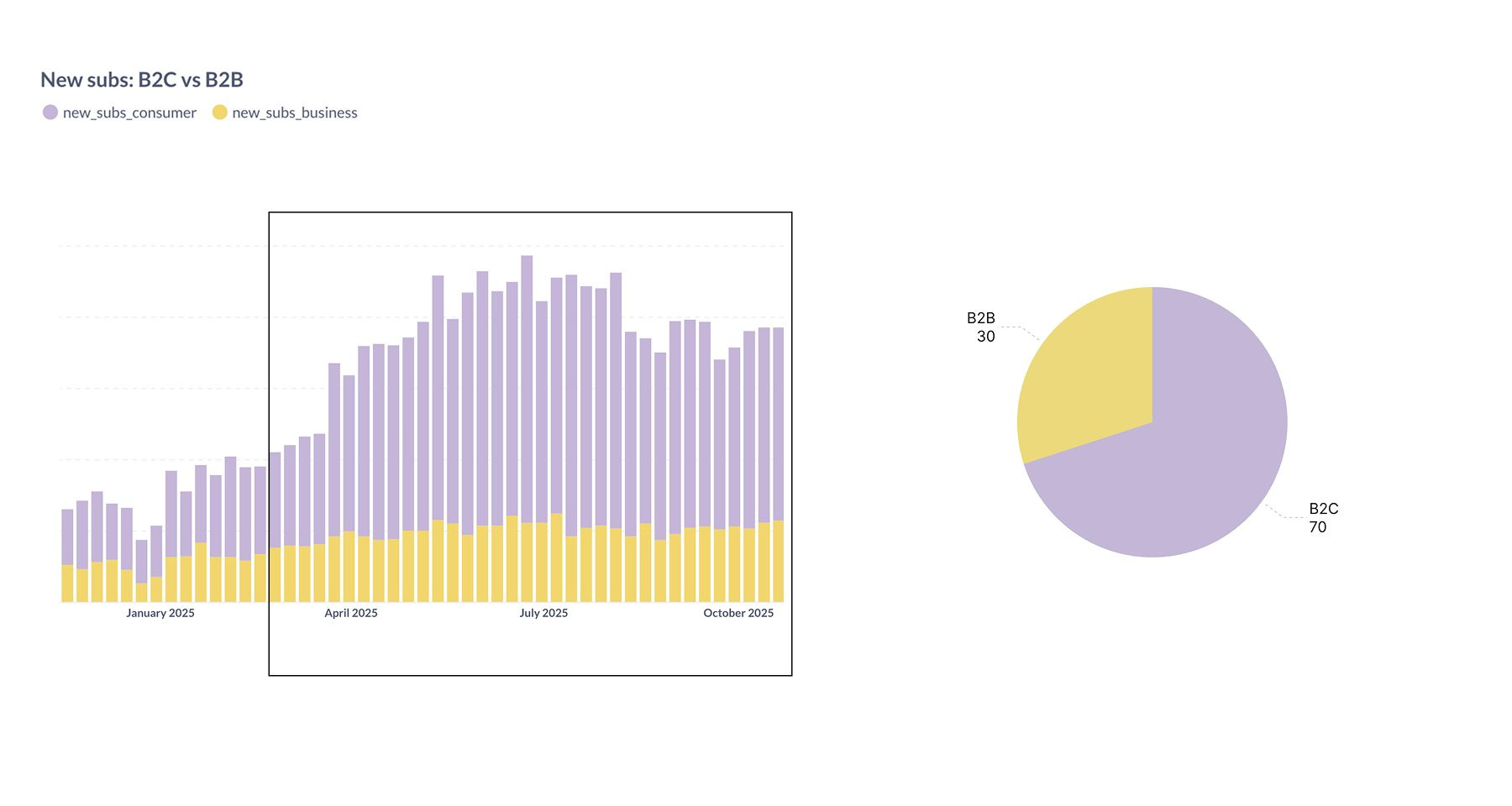
Marie Martens also shared that 25% of Tally’s new signups now come directly from ChatGPT — and that’s likely underrated because many users just say “AI” in onboarding.
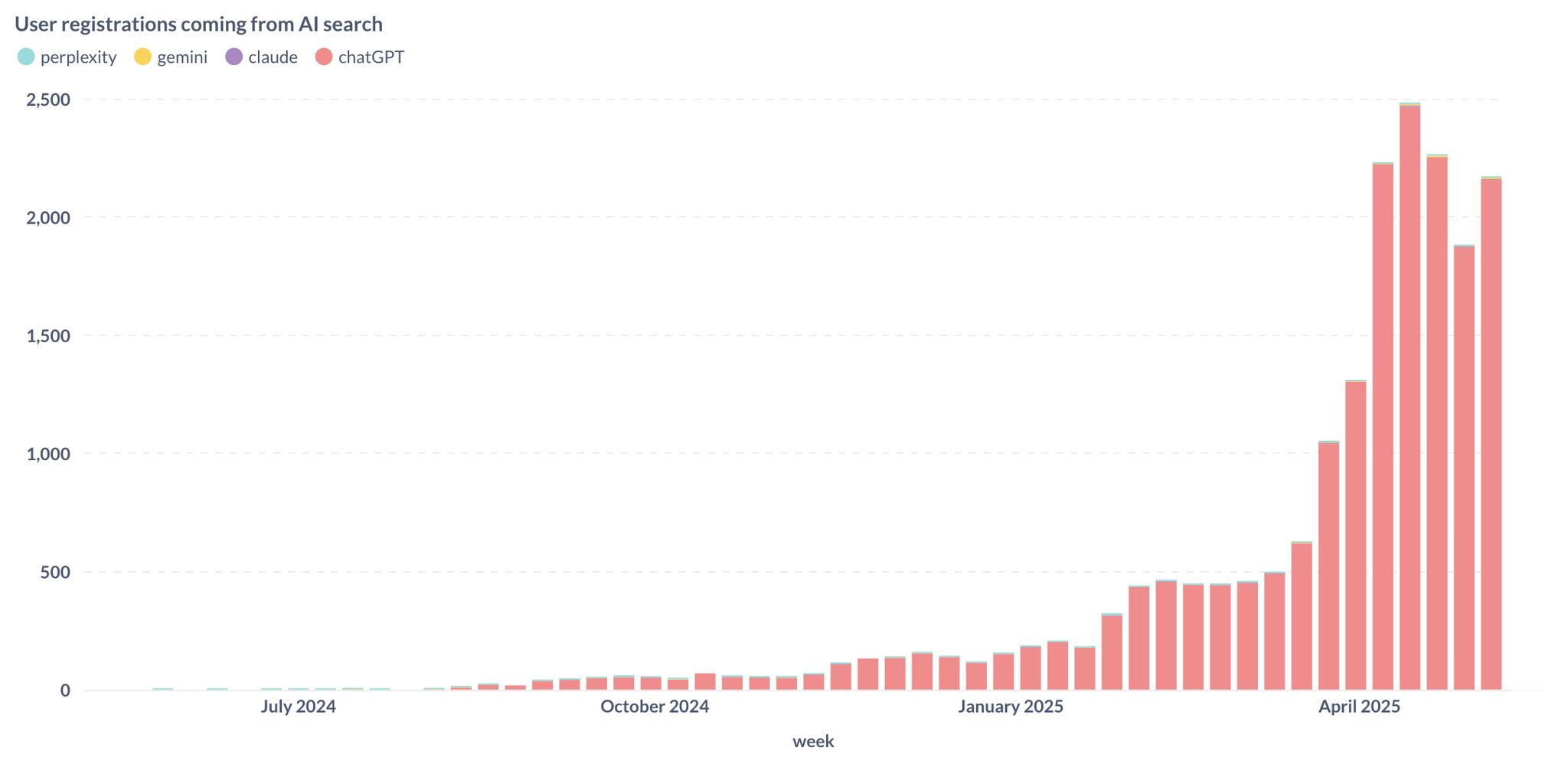
AI has shifted discovery: brand mentions, sentiment, UGC, and communities like Reddit now influence where customers go — and whether they arrive trusting your product. It’s powerful, but still imperfect: some users even ask for refunds after blindly trusting what ChatGPT recommends.
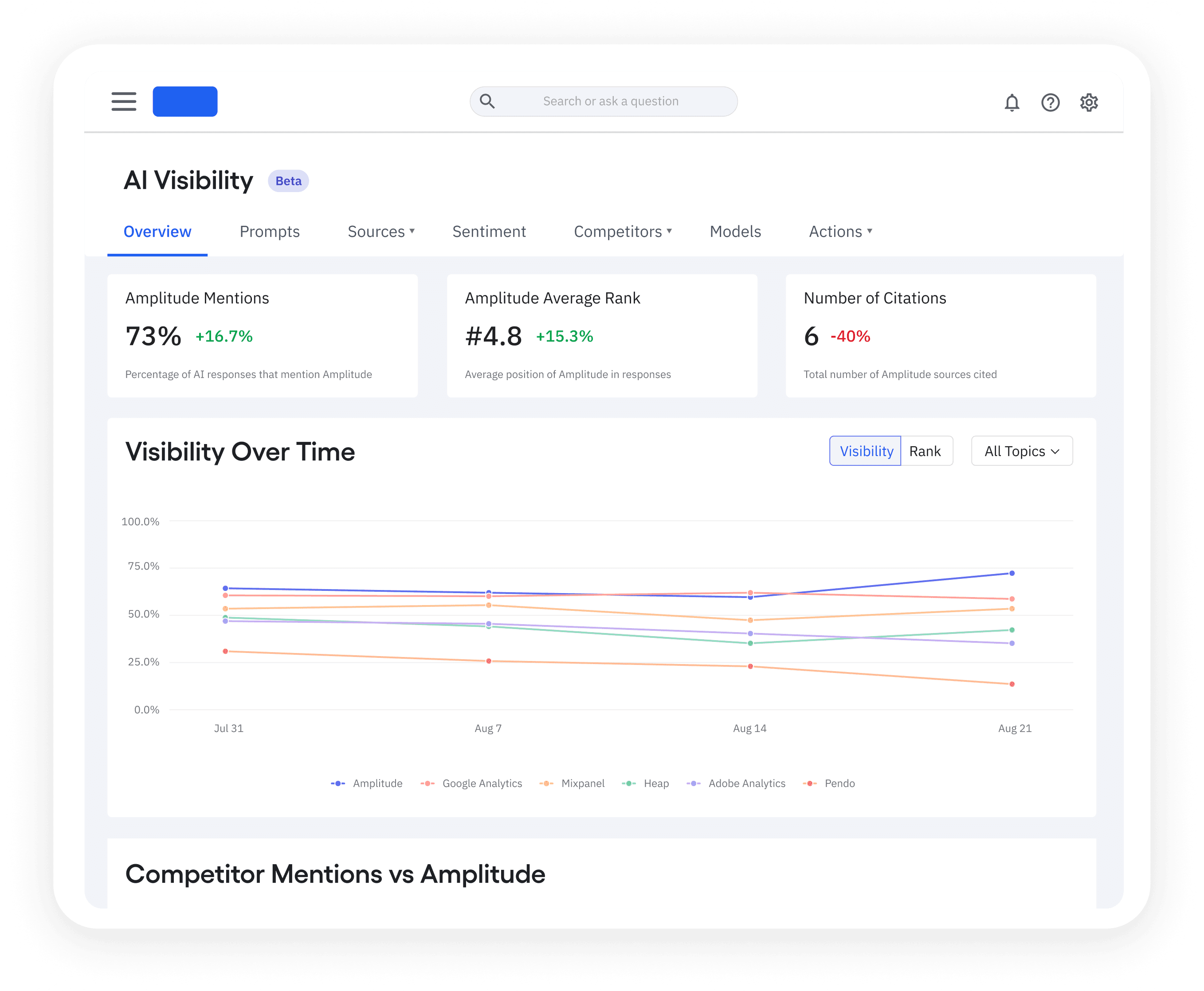
This is where Amplitude AI Visibility becomes your advantage.
Here’s what you can do with it:
Uncover the most ranked use cases to build stronger positioning;
Compare where competitors win in AI answers;
Identify content gaps across sources influencing recommendations (Wikipedia, Reddit, YouTube…and more);
Apply learnings immediately with simulations on how changes impact visibility
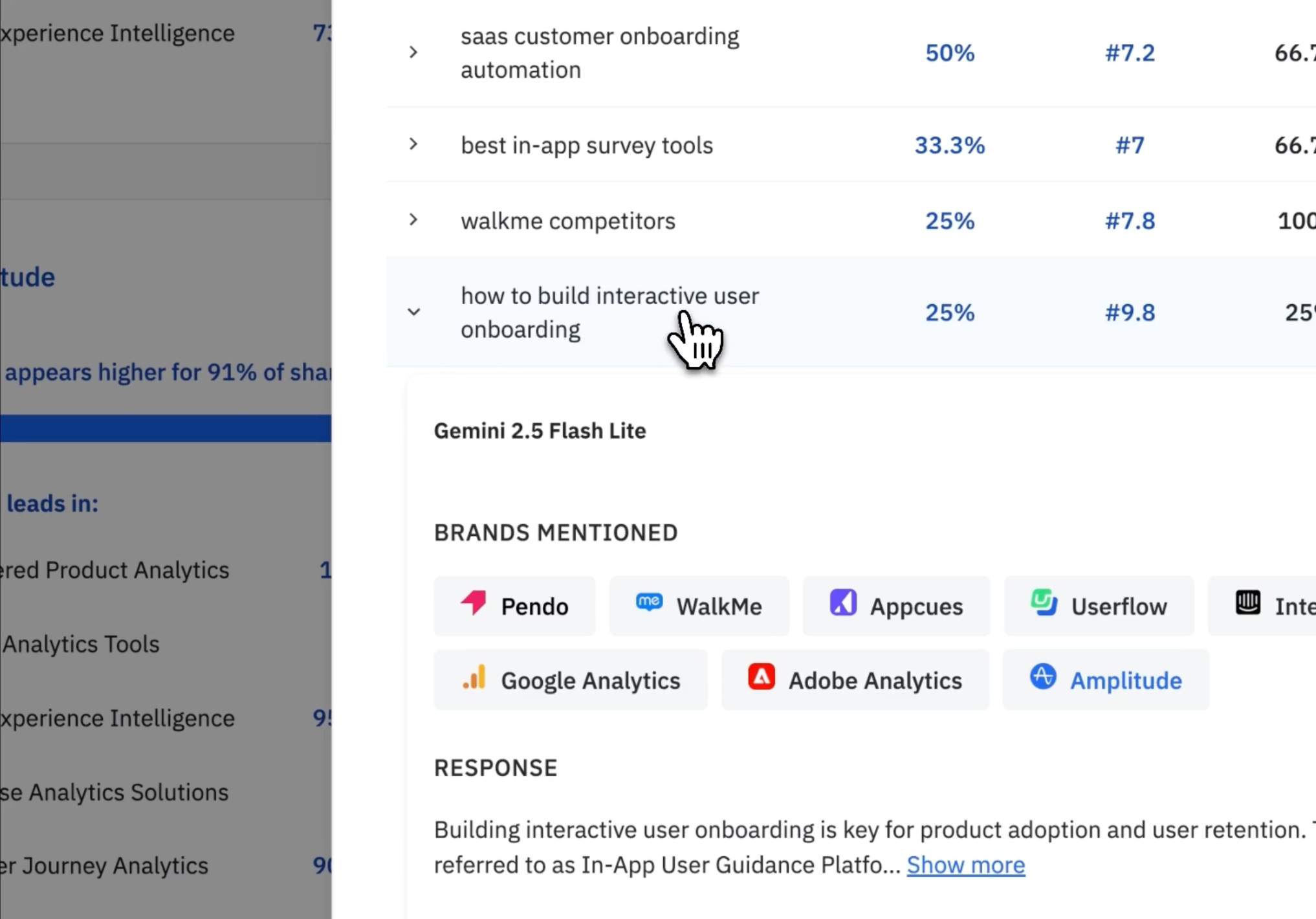
Like in this example: for the request “how to build an interactive user onboarding”, Amplitude appeared as the last tool - a clear opportunity to improve positioning and create more content around their "Guides & Surveys” to strengthen the positioning in the Onboarding use case.
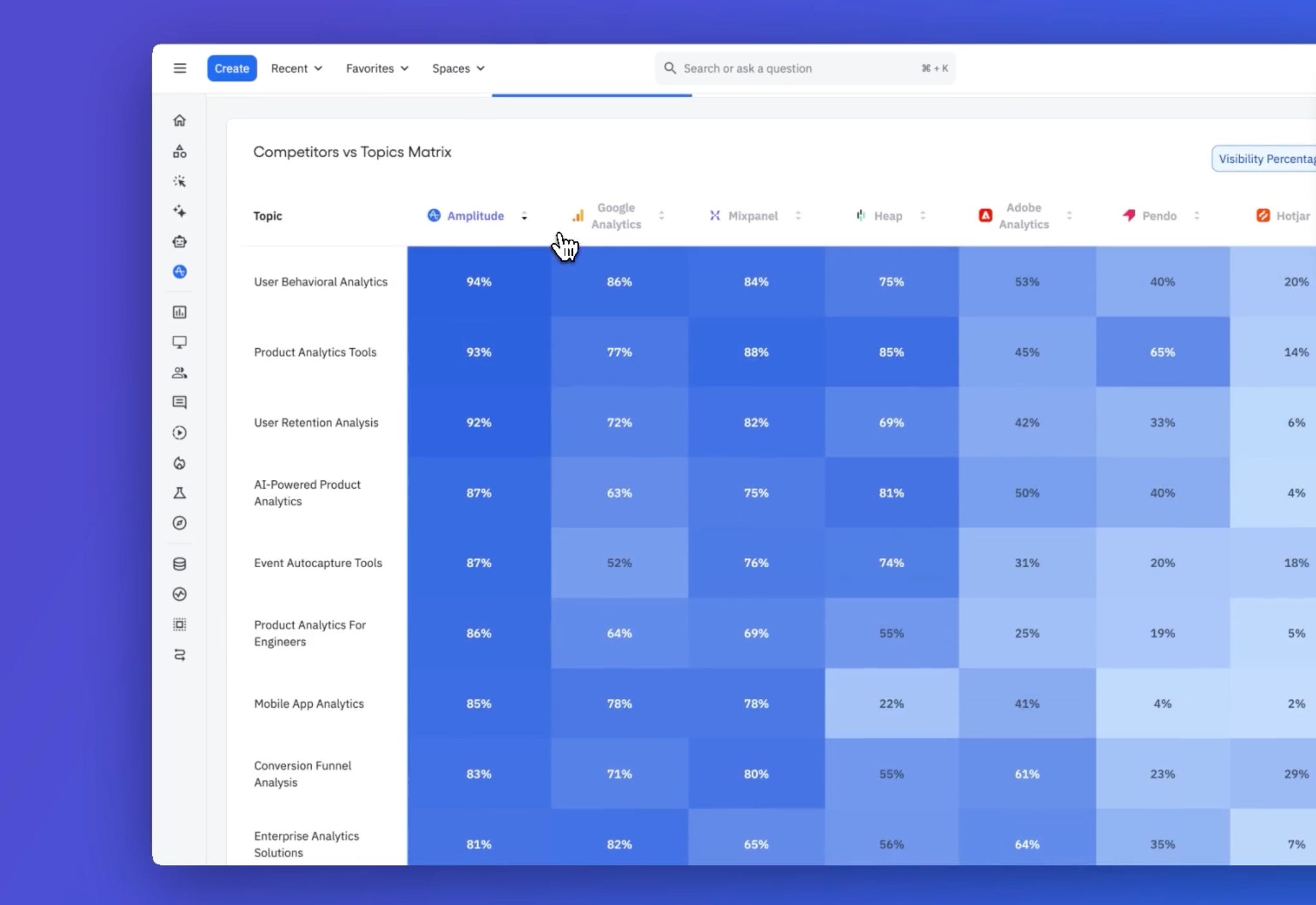
There’s also a Visibility Matrix that helps prioritize opportunities and move from insight to action (My favorite thing from their demo video).
And the best thing — apply it in action and simulate changes (“How to”).
What is your AI positioning?
Now, as you know how to increase your visibility in LLMs with AI tools, let’s think about your positioning.
⚠️ The common mistake I see across AI tools: Over-promising leads to early disappointment and churn. If you claim “a full AI team” but deliver two mediocre agents, users won’t stay to see future improvements.

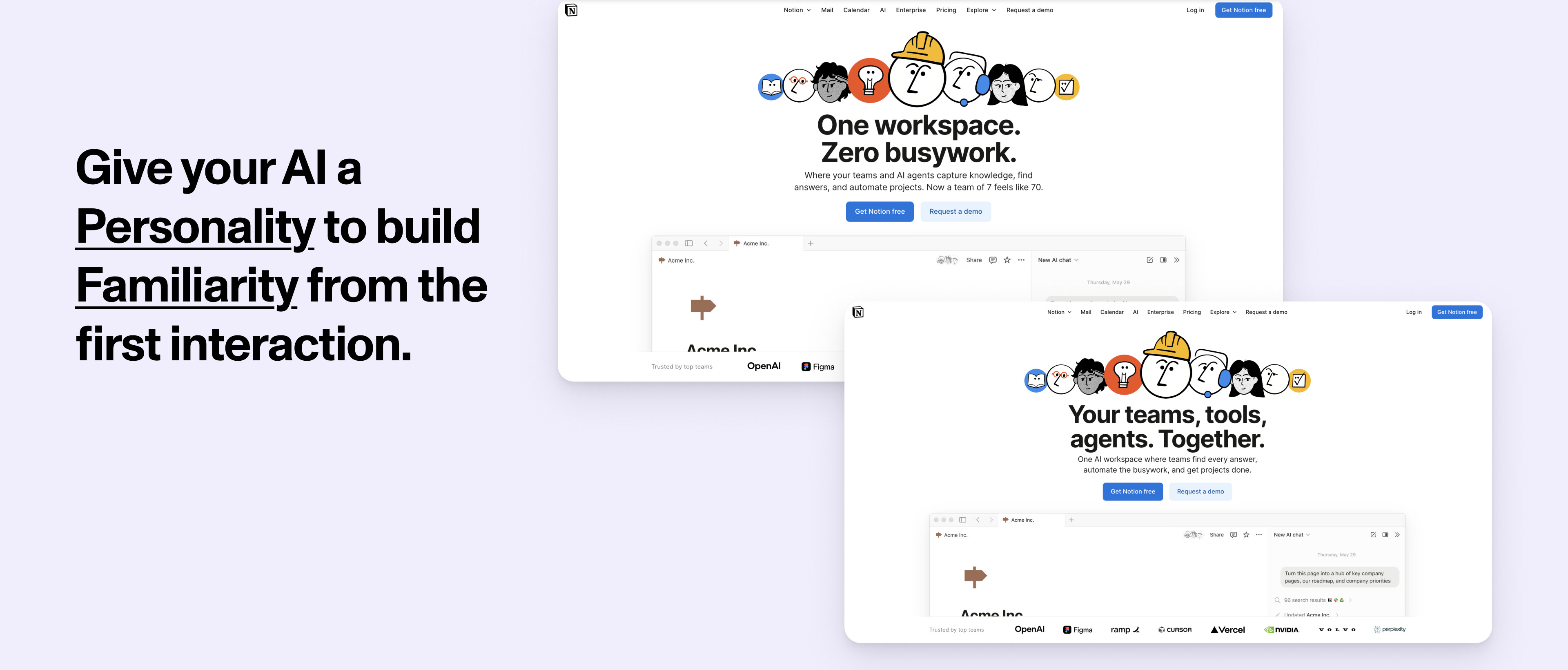
Notion shows a better path: They position AI as a teammate that supports real workflows today. One of Notion’s product principles is to deliver on promise (here’s a full guide on quality principles to support your Product-Led-Growth). It’s clear they’re still experimenting with titles on the home page. Let’s see which one wins 😉
💬 Reflect on your AI Visibility & Positioning:
Is your tool discoverable through LLMs?
What challenges do you have with your AI positioning?
Aren’t you over-promising, and are you delivering on the promise?
Step 2. AI Activation.
Now we need to speed up time to value with AI. At this stage, users are asking: