


Hello everyone 👋 I’m Kate Syuma, and welcome to Growthmates.news — the newsletter where we explore growth stories to inspire your professional and personal growth. Join the community of 7,500+ Product, Design, and Growth people from companies like Amplitude, Intercom, Miro, Atlassian, Grammarly, Framer, and more.
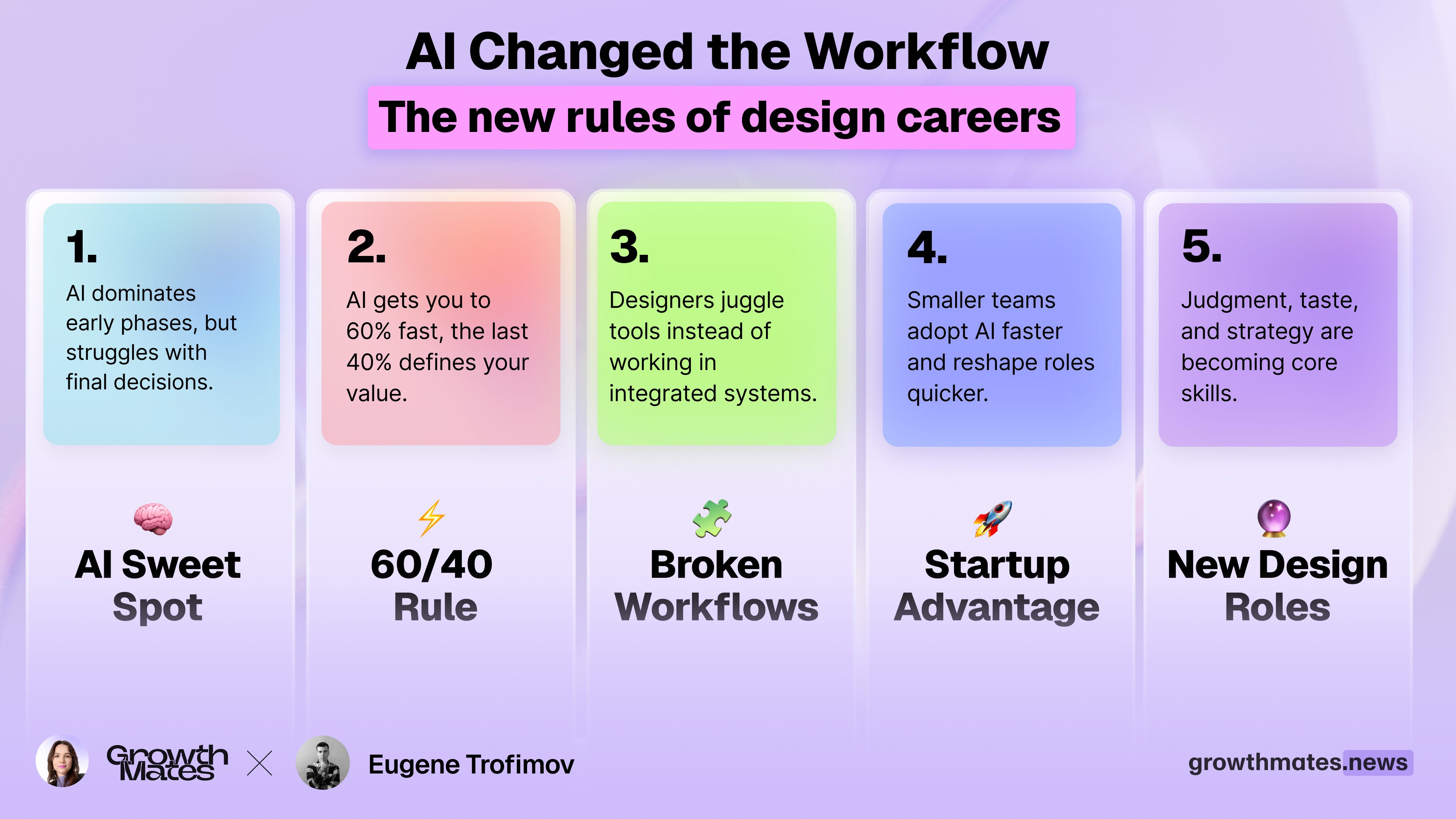
For the last few years, we’ve all heard: “designers use AI now.” But as we started digging into this topic together with Eugene Trofimov, it became clear we’ve been asking the wrong question.
It’s not whether designers are using AI — it’s how AI is fundamentally reshaping the roles, processes, and career paths that have defined design for decades.
To get past the noise, we analyzed the State of AI in Design Report 2025 by DesignersFund (a survey of 500+ designers and leaders) and combined it with Eugene’s experience interviewing 500+ designers for FAANG companies.
The result? A much more nuanced picture than the usual headlines.
This isn’t about replacement. It’s about evolution. And if you’re not paying attention to how your workflow is changing, you might miss a major shift in your own career.
Let’s break down what’s actually happening.
Before we dive in… Meet Growthmates Partners 🚀
I curate the Growthmates Bundle to share not just ideas — but the tools I trust and use in my own work. Each one is a handpicked #1 tool for a key product area, and I’m proud to have them supporting this newsletter 🖤
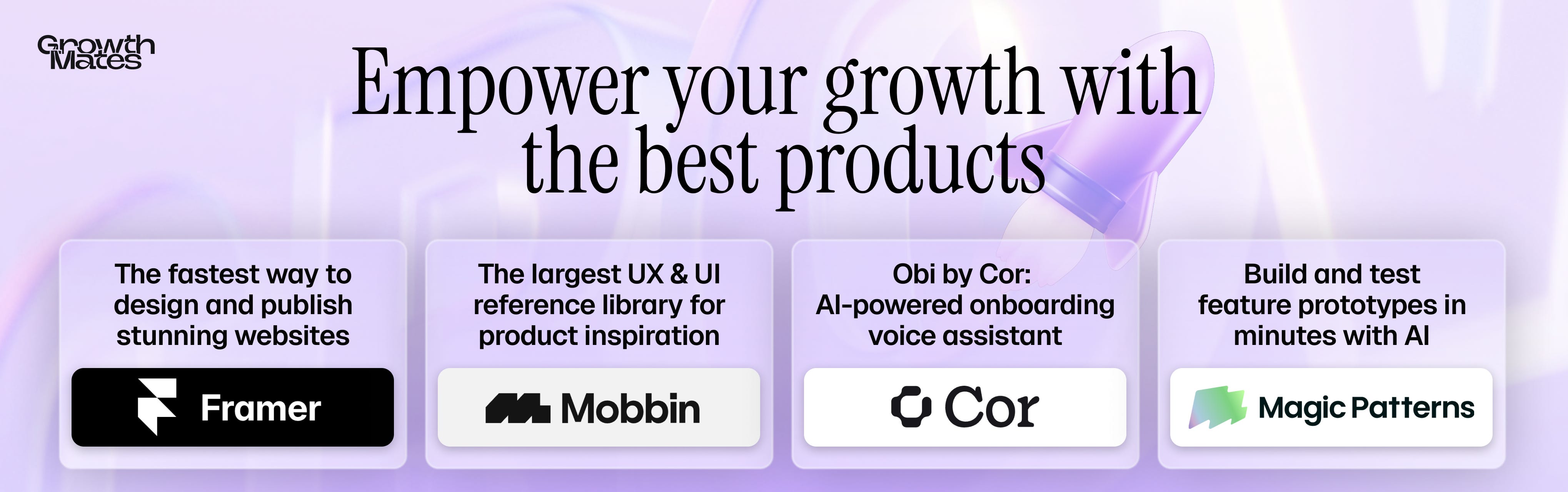
Best way to support Growthmates? Explore these fantastic tools below 👇
Framer — the fastest way to design and publish stunning websites (Growthmates.club is built on it).
Mobbin — the largest UX & UI reference library for deep product inspiration.
Obi by Cor — AI-powered onboarding voice assistant, I truly recommend.
Magic Patterns — The fastest way to prototype and test new features with AI.
What you’ll learn in this article:
Today, we’re breaking down what’s actually changing in design careers because of AI — based on real data and real hiring signals:
Where AI is already replacing effort in the design process;
How the “60/40 rule” is reshaping what makes designers valuable;
Why AI adoption looks completely different in startups vs. large companies;
What new workflows like “vibe coding” signal about the future of product design
Now, let’s dive into today’s story 👇
Introducing Eugene Trofimov
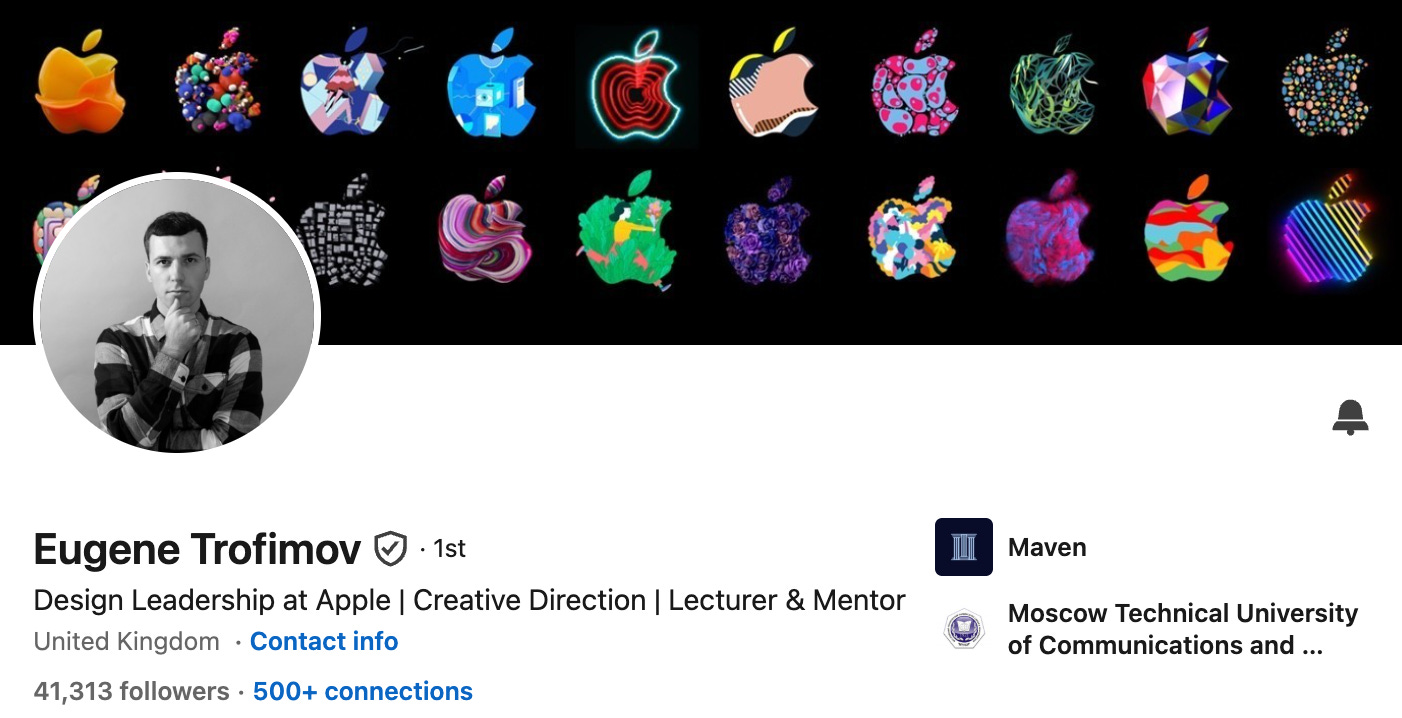
Eugene is a Design Manager from London who’s interviewed 500+ designers for FAANG companies. He’s seen firsthand how AI is reshaping hiring, career expectations, and what makes designers truly valuable in 2026.
This piece is a deep dive into the data to help you understand where AI’s impact is real and where it’s overhyped.
The Pattern: Where AI Works (And Doesn’t) in Your Design Process
For the last few years, we've all heard: "designers use AI now." But I think we're asking the wrong question. It's not whether designers are using AI, it's how AI is fundamentally reshaping the roles, processes, and career paths that have defined design for decades.
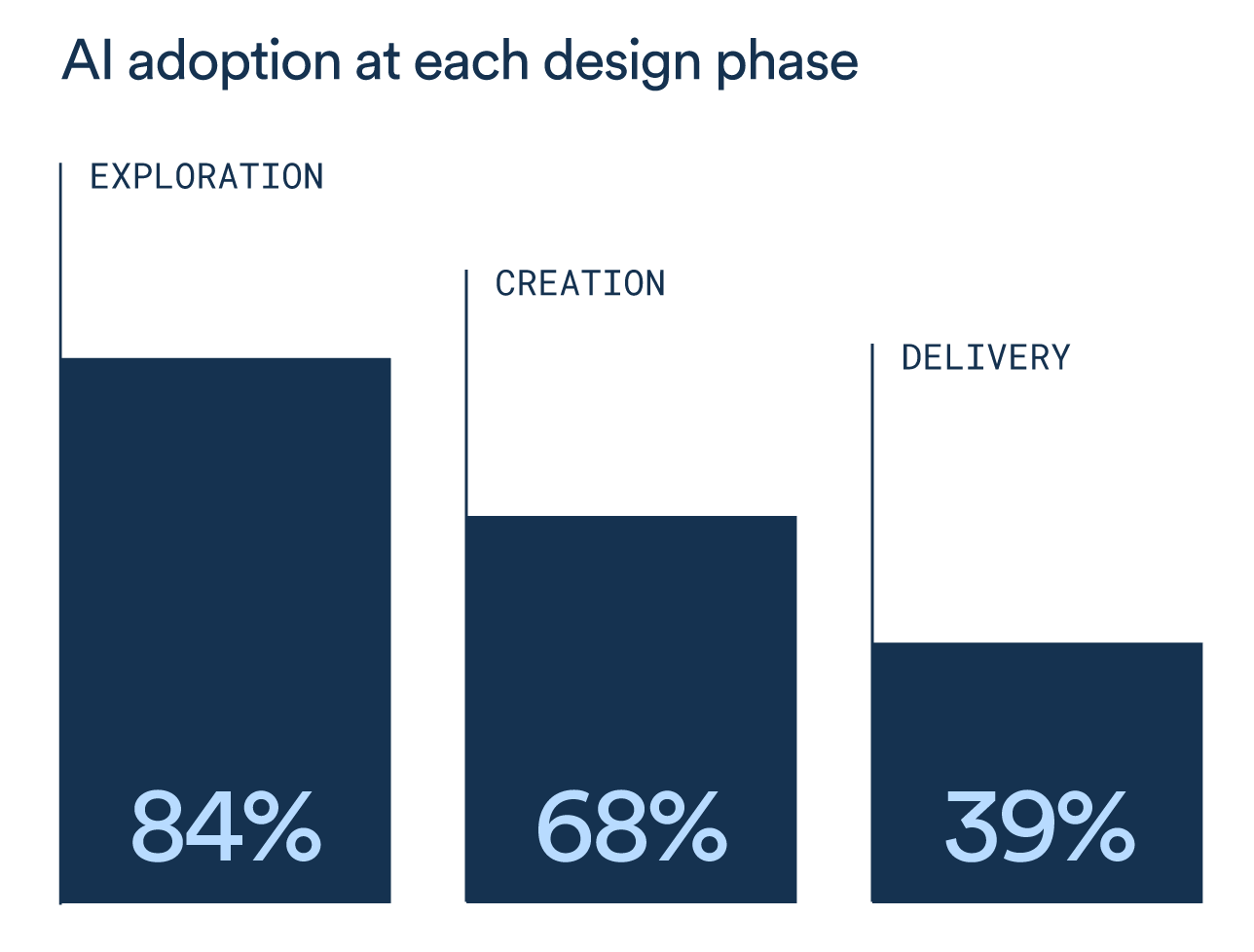
Here’s the data that matters:
Exploration phase (Research & Ideation): 84% of designers use AI regularly;
Creation phase (Design & Prototyping): 68% use it;
Delivery phase (Testing & Implementation): 39% use it
Notice the drop? This isn’t random. It reveals something fundamental:
AI is good at generating possibilities. Humans are good at making final judgment calls.
This creates a new skill hierarchy in design teams and if you’re hiring or interviewing, this matters.
What this shift means for your day-to-day:
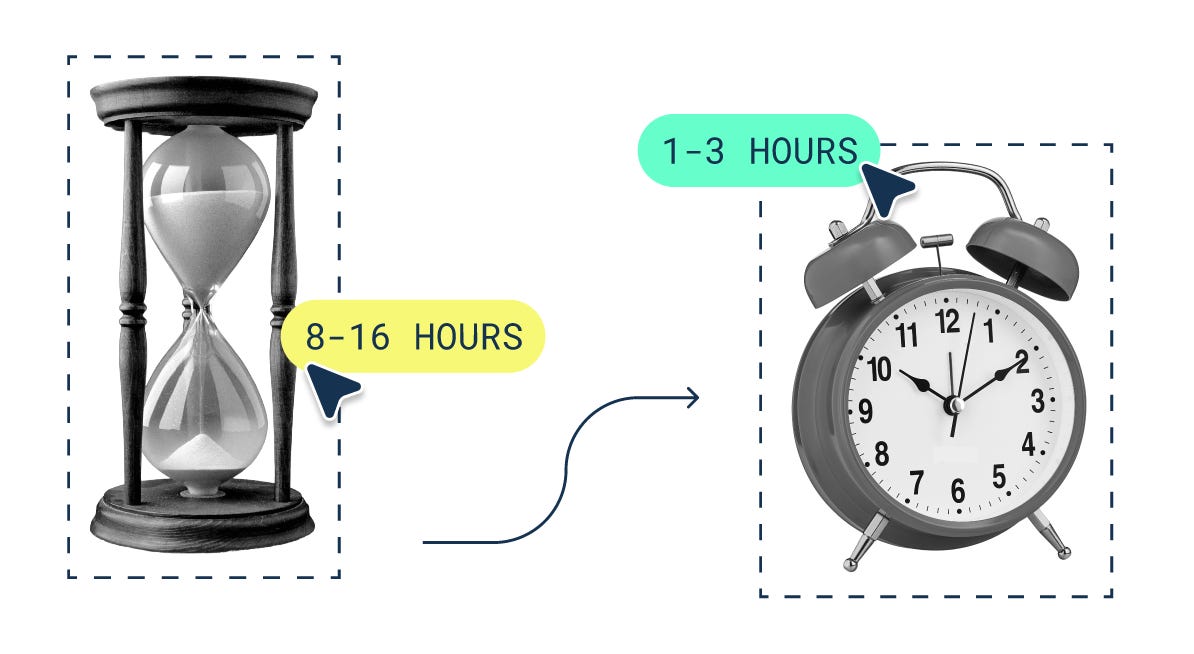
Research went from weeks to hours:
Analyzing 20 user interviews used to take 8-16 hours of transcription, note-taking, pattern-finding. Now Claude, ChatGPT, and similar tools do it in 1-3 hours.
The real win isn’t just time savings. It’s psychological. You enter the ideation phase fresh, not exhausted. Your brain is available for creativity instead of drowning in admin.
The blank page is no longer the bottleneck:
89% of designers report their workflow has improved with AI. Why? Because that initial paralysis “where do I even start?” is gone. AI generates rough directions fast. You’re no longer agonizing over the first concept. You’re curating and refining from day one.
The 60/40 Rule (this is important for your career):
The first 60% of design work? AI handles it well: layouts, placeholder content, visual directions, interaction flows.
The final 40%? That’s still 100% human: polish, brand voice, emotional resonance, those small interactions that delight instead of just function.
This matters for interviews, salary negotiations, and job titles. The designers who will be most valuable aren’t the ones who use AI best. They’re the ones who understand what AI can’t do and double down on exactly that.
What's Actually Changing in Teams (And Why It's Slower Than You'd Think)
Individual adoption is one thing. But how are teams actually implementing this?
The honest answer: slowly, and unevenly.
The fragmentation problem:
Designers are building their own AI stacks. ChatGPT for ideation → Claude for writing → MidJourney for images → Figma for design → Cursor for code. It works, but it’s exhausting. You’re context-switching constantly, and context-switching kills creative momentum.
The collaboration gap:
Most designers are still experimenting with AI alone, usually at home, in the evenings. It’s not yet part of collaborative team workflows, but why?
Security concerns (especially at larger companies);
No clear guidelines on what’s okay to use AI for;
Tools aren’t designed for team workflows;
Data privacy questions
The learning problem:
Nearly all designers are teaching themselves AI. There are no formal training programs at most companies. No guidelines. No “here’s how we use AI in our process.” You’re figuring it out on weekends.
The companies that are investing in AI training and clear usage guidelines? They’re seeing real results. Everyone else is playing catch-up.
This creates a new kind of competitive advantage within teams: The designer who’s spent time really understanding AI workflows (not just using it, but understanding its limitations) becomes invaluable. And yes, this is something you should be highlighting in interviews.
Who's Adapting Fastest (And Why It Matters for Your Career Path)
Here’s where it gets interesting for anyone thinking about their next role:
Startups adopt AI into workflows at 2X the rate of larger companies.
Early-stage designers are fully integrating AI into their workflows 2+ times more than those at established organizations. Why the gap?
No security bottlenecks;
No 12-layer approval processes;
No “we have to check with legal”;
Ability to experiment, fail, and iterate fast
If you’re at a large company, this isn’t doom. But it means something: you need a strategy. You need to find or create a safe space to experiment. And if you’re interviewing, understanding this gap is a huge signal. Leaders who acknowledge it are worth working for.
The Workflow Revolution: Vibe Coding
This is the part that gets weird in a good way.
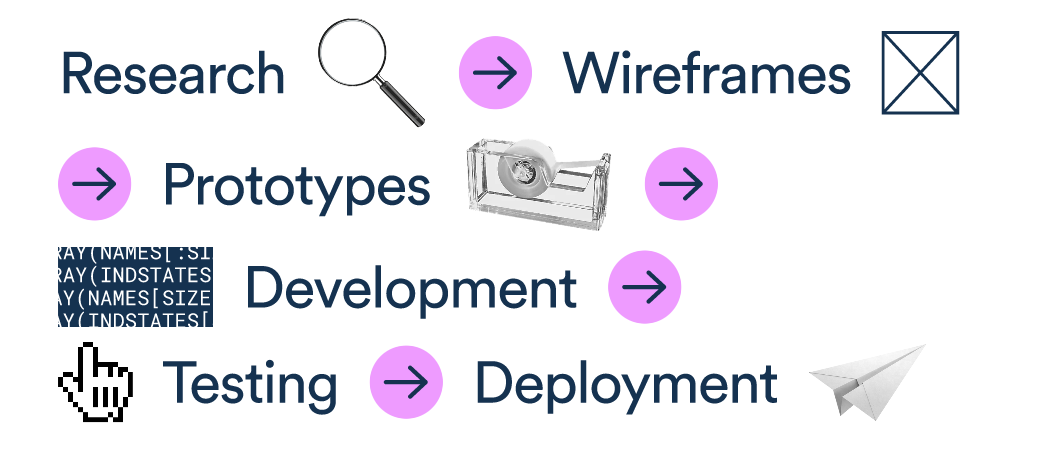
Some startups are flipping the entire design process. Instead of: Research → Wireframes → Prototypes → Development → Testing, they’re doing:
🟢 Code First → Design on Real User Behavior
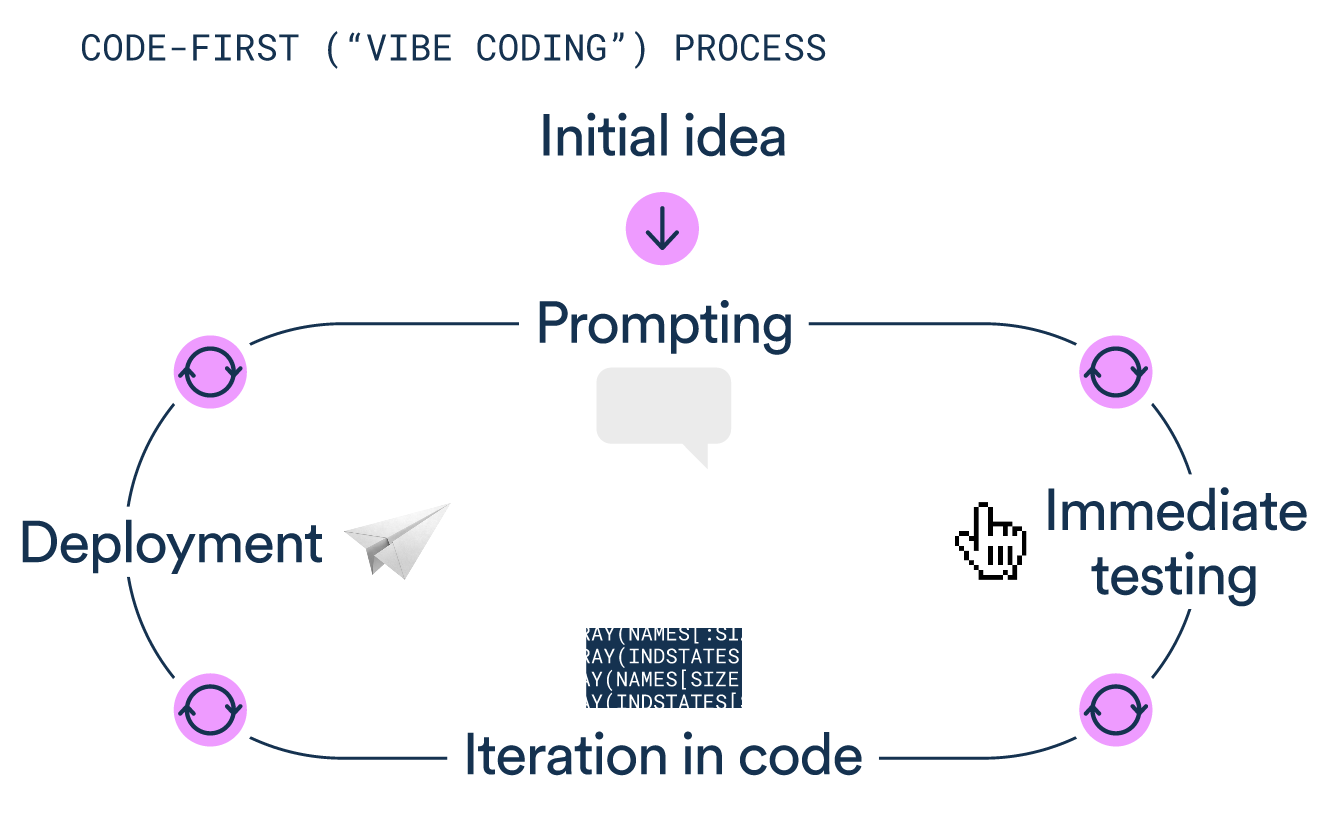
Does it always work? No. As projects get complex, AI-generated code becomes “almost right, but not quite,” and experienced developers have to step in and debug. But for early iteration? For testing directional choices fast? It’s genuinely powerful.
This is quietly reshaping what “product design” means. And if you’re interviewing at design-forward startups, knowing about this trend signals you’re thinking ahead.
What This Means for Your Career (The Real Talk)
We’re not in a “designers vs. AI” moment. We’re in a “how will you evolve as a designer?” moment.
Here’s what the data tells us about where the market is heading:
For IC Designers:
Master the early phases. Become exceptional at ideation, research synthesis, and strategic thinking. This is where AI amplifies you most;
Learn to prompt well. This is a real skill now. The designers who can write clear, specific prompts get better results;
Guard the final 40%. This is your moat. Perfect the polish, the voice, the emotional intent. This is what separates good designers from great ones.
For Design Leaders:
Build team practices around AI, don’t ignore it. The vagueness creates risk and uncertainty;
Invest in training. Companies that do this see higher retention and better output;
Redefine roles. With AI handling repetitive ideation, what are your designers doing with the extra time? Strategic thinking? Design system work? User research depth?
For Founders:
You have an advantage. Integrate AI early while competitors are still debating it;
Use it ruthlessly for research and exploration. Your edge is speed;
Remember: the final 40% is what customers actually notice. Don’t ship “good enough” and call it done.
The Bigger Picture: This Is a Career Reset
AI in design isn’t evolving in a vacuum. It’s part of a much larger reshuffling of what design skills are valued.
The timeline matters. Right now (early 2026), you have an asymmetric advantage: most designers and design leaders aren’t thinking deeply about this shift yet. They’re waiting to see what happens.
But the data is clear. The workflow is changing. The processes are changing. The kind of judgment that gets valued is changing. Which means your career path and how you position yourself in interviews needs to change too.
If you’re a designer looking to level up and stay ahead of these changes, understanding how AI really works in teams (not just the hype, but the actual process challenges, the skill shifts, the role evolution) is critical.
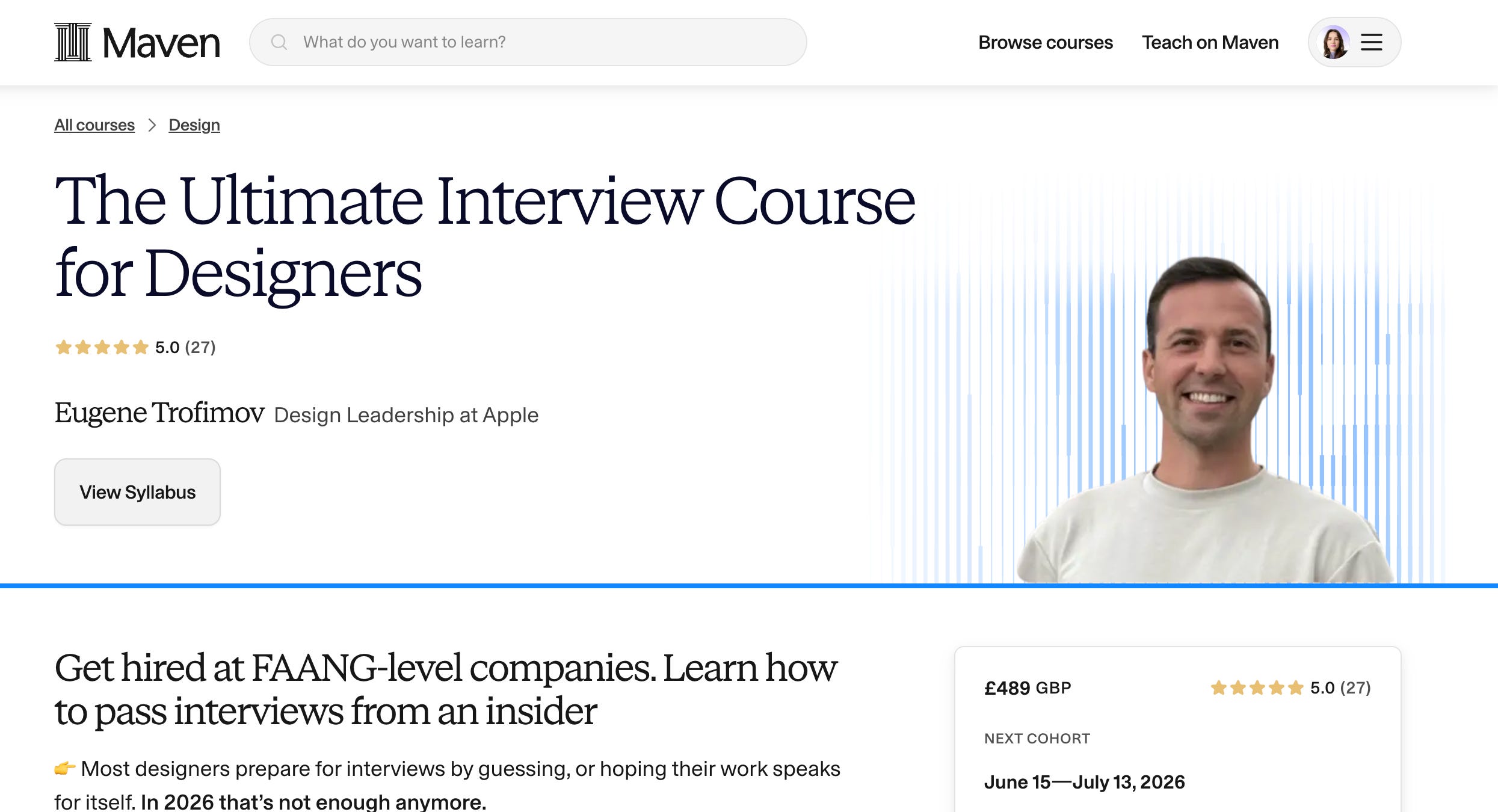
That’s actually why Eugene Trofimov built personal Ultimate Interview Course on Maven. The interviews have fundamentally changed. Design leaders are now asking different questions. They want to know: Do you understand the strategic implications of AI? Can you articulate what you bring that AI doesn’t? How do you lead teams through technological change?
These are the questions that separate designers who stay relevant from those who get left behind.
Want to stay ahead of this? Eugene Ultimate Interview Course covers exactly this: how AI is reshaping design careers, what interviews are really asking now, and how to position yourself for what’s coming next.
What phase of your design workflow are you already using AI in? And more importantly: what’s your strategy for the final 40%?
This is all for today, dear readers. If you found this helpful, please share your reaction and leave some comments 💜 It would give huge support for me to continue creating this!
If you find this newsletter valuable, share it with a friend, and consider subscribing if you haven’t already. There are some discounts available, and maybe you can expense this :)
Connect with me on LinkedIn and learn more about my work on Growthmates.club.
With best regards,
Kate Syuma